Al Zerwa Trading Co LLC
Creative solutions, creative results.
Blogs
Electric Actuator Advantages for Process Control Systems
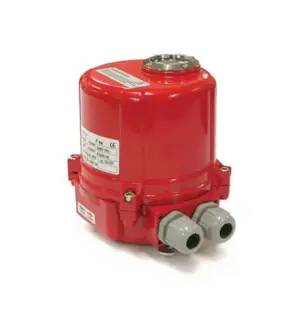
In modern industrial environments, accuracy, reliability, and automation are no longer optional—they are essential. From oil and gas facilities to water treatment plants and manufacturing units, process control systems depend on precise movement and consistent performance. This is where the electric actuator plays a critical role. As industries shift toward smarter and more energy-efficient operations, electric actuators are increasingly becoming the preferred choice for controlling valves, dampers, and other mechanical components.This article explores the advantages of electric actuators in process control systems, how they are used across industries, the different types available, and what to consider when choosing the right supplier in the UAE.
Understanding Electric Actuators in Process Control
An electric actuator is a device that converts electrical energy into mechanical motion to control equipment such as valves or dampers. In process control systems, actuators are responsible for regulating flow, pressure, temperature, or level by opening, closing, or positioning control elements with precision.Unlike manual or pneumatic alternatives, electric actuators operate using motors and control electronics, allowing seamless integration with automated systems such as PLCs, DCS, and SCADA platforms. This compatibility makes them ideal for industries that demand accuracy, repeatability, and remote operation.
Key Advantages of Electric Actuators
One of the most significant advantages of electric actuators is precision. Process control systems often require exact positioning rather than simple on-off operation. Electric actuators provide fine control over movement, making them suitable for modulating applications where small adjustments can impact product quality or safety.Energy efficiency is another major benefit. Electric actuators consume power only when operating, unlike pneumatic systems that require continuous compressed air supply. This reduces energy consumption, lowers operating costs, and supports sustainability goals—an increasingly important factor for industrial facilities in the UAE.Reliability and low maintenance further strengthen their appeal. Electric actuators have fewer moving parts compared to hydraulic or pneumatic systems, which means less wear and tear. There is no risk of air leakage, oil contamination, or pressure loss, resulting in longer service life and reduced downtime.From a safety perspective, electric actuators offer better control and monitoring. Many modern units include torque limiting, position feedback, and fault detection features. These capabilities help prevent equipment damage and allow operators to respond quickly to system abnormalities.
Industrial Applications of Electric Actuators
Electric actuators are widely used across various process industries. In water and wastewater treatment plants, they regulate flow through control valves and sluice gates with high accuracy. In oil and gas facilities, electric actuators are preferred for pipeline valve automation, especially in remote or hazardous areas where manual operation is impractical.Power generation plants rely on electric actuators for damper control, fuel regulation, and cooling systems. In HVAC and building automation, they ensure precise airflow and temperature control, contributing to energy efficiency and occupant comfort. Chemical and food processing industries also benefit from their clean operation, as electric actuators eliminate the risk of fluid contamination.
Types of Electric Actuators Used in Process Control
Electric actuators are available in different configurations depending on application requirements. Rotary electric actuators are commonly used for quarter-turn valves such as ball, butterfly, and plug valves. Linear electric actuators, on the other hand, are ideal for globe valves and applications requiring straight-line motion.There are also modulating electric actuators designed for continuous position control, as well as on-off actuators used for simple open-close operations. Choosing the right type depends on factors such as torque requirements, operating speed, environmental conditions, and control system compatibility.
Choosing the Right Electric Actuator Supplier in the UAE
Selecting the right actuator is not just about specifications; it is also about working with a knowledgeable and reliable supplier. A trusted supplier understands local industrial requirements, environmental conditions, and compliance standards common in the UAE market.Companies like AL Zerwa Trading support industrial buyers by offering suitable electric actuator solutions for process control applications, along with technical guidance that helps ensure proper selection and long-term performance. Access to after-sales support, spare parts, and technical expertise can make a significant difference in system reliability.
Conclusion
Electric actuators have become a cornerstone of modern process control systems due to their precision, efficiency, reliability, and ease of integration with automation technologies. As industries across the UAE continue to invest in smarter and more sustainable operations, the demand for high-quality electric actuator solutions will only grow.For engineers, contractors, and plant managers, the key lies in choosing the right actuator and partnering with a reliable manufacturer or supplier who understands industrial process requirements. By working with a trusted electric actuator manufacturer in the UAE, businesses can enhance operational efficiency, reduce downtime, and build future-ready process control systems.
Contact
- Indore, Madhya Pradesh, India
